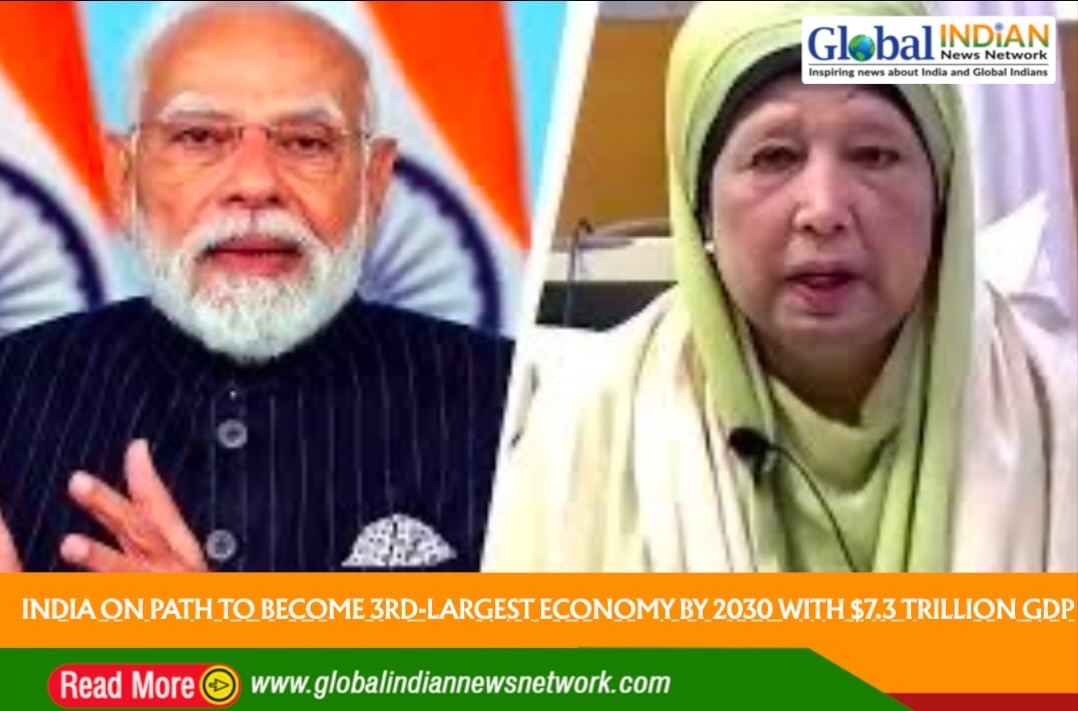
 Prime Minister Narendra Modi reached out to Bangladesh on Monday, December 1, 2025, expressing deep concern over the rapidly deteriorating health of former Bangladeshi Prime Minister Khaleda Zia. Zia, who leads the Bangladesh Nationalist Party (BNP), has been in a critical state for nearly a week at Dhaka’s Evercare Hospital. Modi assured that India is prepared to offer “all possible support” to assist in her recovery.
Earlier the same day, Bangladesh received a five-member team of Chinese doctors who arrived in Dhaka to join the specialists overseeing Zia’s treatment. Their presence reflects growing international attention surrounding the health crisis of one of Bangladesh’s most influential political figures.
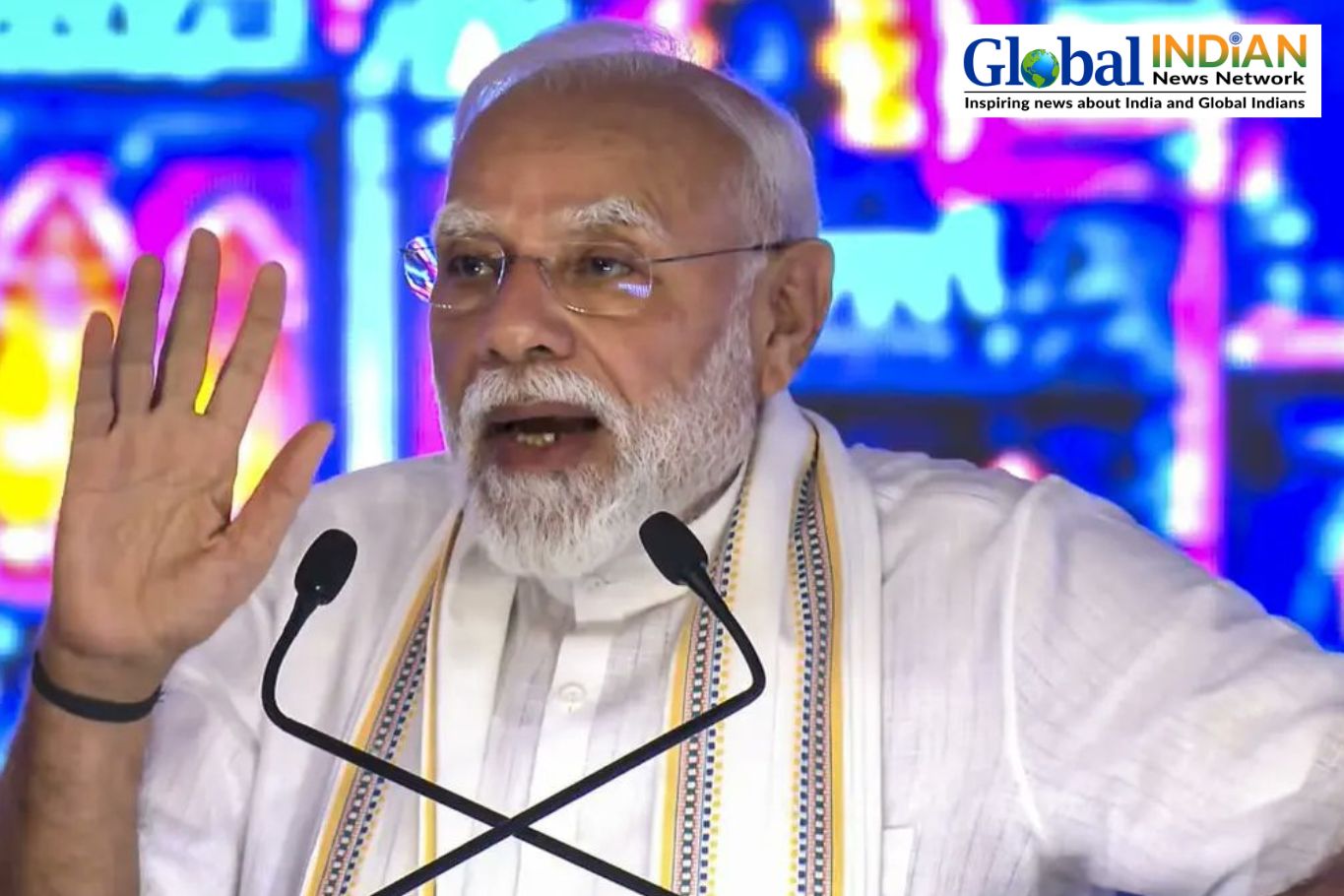
In a message posted on X, Modi wrote that he was “deeply concerned” about Zia’s condition and acknowledged her decades of service to Bangladesh’s public life. He conveyed prayers and hopes for her recovery, reiterating India’s readiness to help in any capacity. The outreach marks a continuation of Modi’s past interactions with Zia; the two last met in June 2015 during his visit to Dhaka, when India and Bangladesh, under Prime Minister Sheikh Hasina, signed the landmark Land Boundary Agreement. The meeting was seen as a notable gesture, as Modi also engaged with key Opposition leaders during that trip.
Khaleda Zia has been a defining figure in Bangladeshi politics for more than forty years. She assumed leadership of the BNP after her husband, President Ziaur Rahman, was assassinated on May 30, 1981. Alongside Sheikh Hasina, she championed the return of multi-party democracy, contributing to the end of General H.M. Ershad’s military rule. Zia subsequently became Bangladesh’s first female prime minister after the BNP’s electoral victory in 1991. She returned to office in 2001 and governed until 2006.
Her political journey also includes periods of intense confrontation. The BNP boycotted three consecutive elections from 2014 to 2024 and backed the anti-Hasina movement during the unrest of August 2024. Even through political turbulence and health concerns, Zia remained active, often engaging with foreign dignitaries visiting Bangladesh.
Today, the BNP stands as the country’s largest political party and is considered a strong contender in the February 2026 election scheduled by Bangladesh’s interim government. As the nation watches one of its senior-most leaders fight for her life, Modi’s message underscores the complex ties and shared history between India and Bangladesh.